VOCAL DEPARTMENT
Choral Foundations & Worship Leading
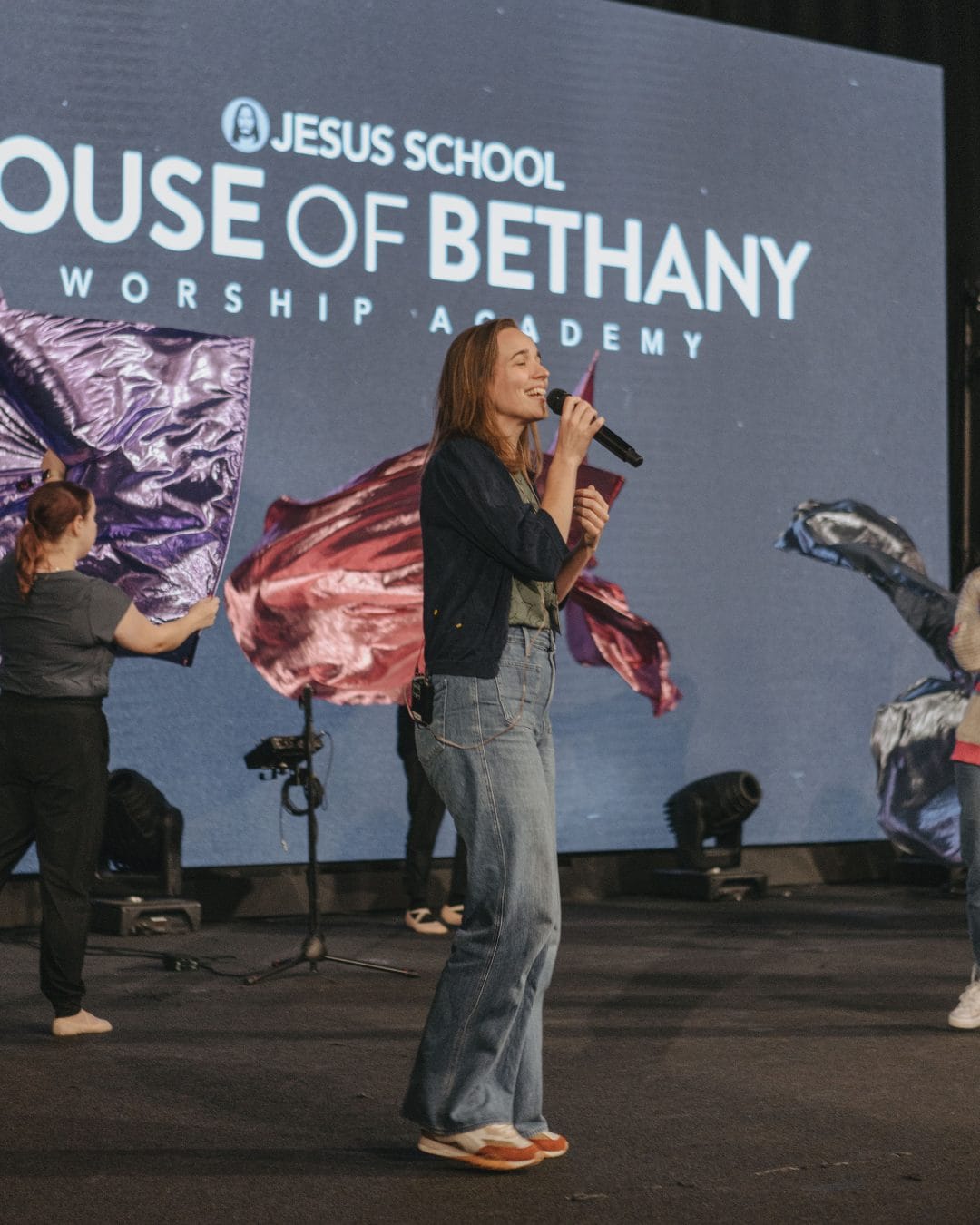
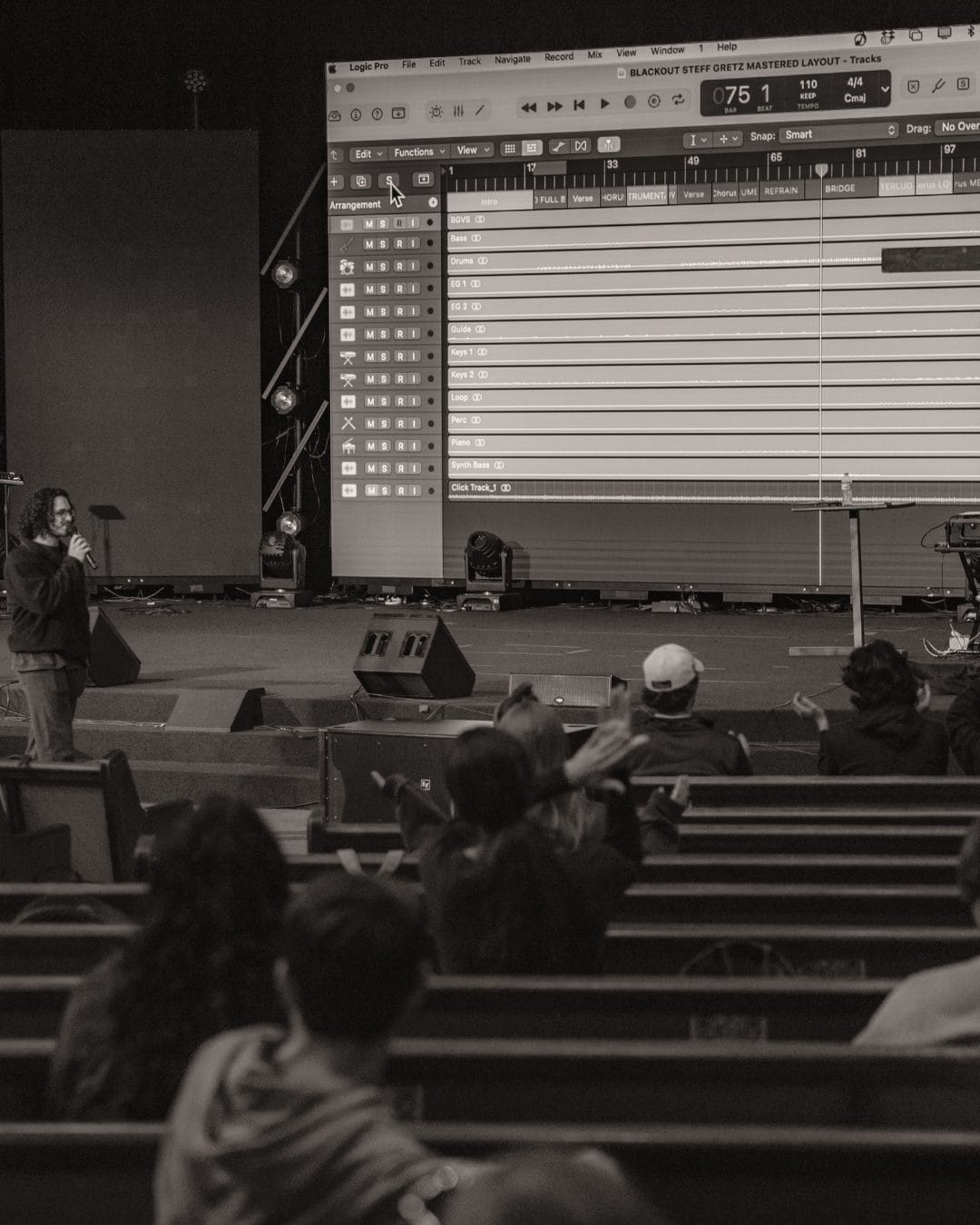
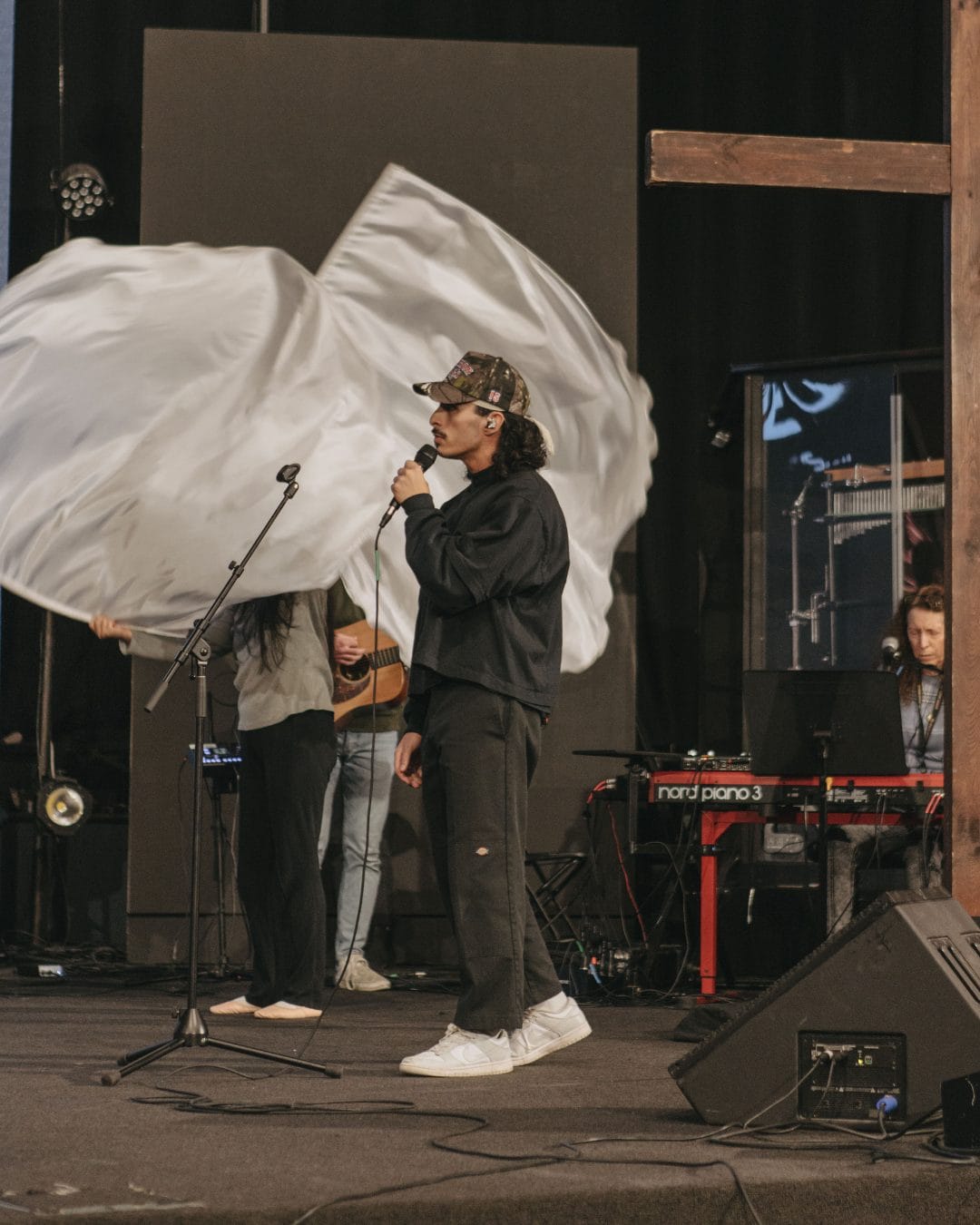
Welcome to the Vocal Department at House of Bethany! We believe that your voice is an instrument that God has entrusted you with. While you will grow in skill and proficiency, we want you to become more than a good singer. As worshipers, we want to see your love and devotion to Jesus deepen. In this department, you will study music theory, vocal range, breathing techniques, vocal health, sight reading, and more! Our goal is for you to finish with the ability to translate and communicate the pure, undivided affection through your voice to Jesus. Whether you have been singing for 10+ years or 1 year, it would be our privilege to serve you on your vocal journey.
Curriculum
Take a look at the classes taught during the school year.
VOCAL HEALTH
Understanding vocal health means learning how to protect and maintain your voice. You'll discover good vocal habits to help prevent damage and improve long-term performance.
MUSIC THEORY
Music theory is the foundation for understanding and creating music. We will cover how notes, scales, chords, and rhythms are organized. Learning theory helps you read music, understand how songs are built, and communicate with other musicians more clearly.
Finding Your Range
Your vocal range is the span from the lowest to the highest note you can sing comfortably. Discover the vocal range that best suits your voice through a process that includes vocal exercises and matching pitches to identify whether you're a soprano, alto, tenor, or bass.
Breathing Techniques
Good singing starts with strong breath support. Learn breathing techniques to focus on using the diaphragm to take deep, controlled breaths. This helps you sing longer phrases, stay in tune, and produce a fuller, more powerful sound.
Sight Reading
Sight reading is the ability to read and perform music at first glance. It involves recognizing notes, rhythms, key signatures, and dynamics quickly. Learning this skill builds musical independence and allows you to learn new songs more efficiently, especially in choirs or solo settings.